 How-to
Engaging Youth in Traditional Worship: A How-To Guide
Last Updated: October 23, 2026
Quick Summary
Engaging youth in traditional worship means inviting young people into inherited music, liturgy, and rhythms as full participants, not spectators. Start with leadership buy-in, then give youth real roles such as readings, prayers, and hymn verses before adding bigger responsibilities. The goal is not perfect music but faithful stewardship of every voice.
- Pitch youth involvement as mission fulfillment, never as a style change.
- Pair each young person with an adult mentor and meet weekly for practice and prayer.
- Audit one service for built-in participation points like the creed and responsive psalm.
- Build the youth choir around relationships, not one talented singer.
- Track participation, retention, confidence, generational mixing, and quarterly feedback.
Table of Contents
- Start with Why: The Case for Engaging Youth in Traditional Worship
- Step 1: Build the Foundation with Leadership Buy-In
- Step 2: Foster Youth Participation in Church Worship
- Step 3: Try Interactive Worship Ideas for Youth
- Step 4: Develop Youth Choir Ideas for Church
- Step 5: Implement Multilingual Worship Service Practical Tips
- Measure What Matters: Evaluating Youth Engagement
- Conclusion: Let Go and Let God
- Frequently Asked Questions
Start with Why: The Case for Engaging Youth in Traditional Worship
Engaging youth in traditional worship is the practice of inviting young people into the inherited music, liturgy, and rhythms of the congregation as full participants, not spectators.
Here is the tension most churches feel. Young people want to belong.
That gap is not a music problem. It is a discipleship problem.
We believe the church is the place for your music, and every church needs to make a place for every person's music.
Step 1: Build the Foundation with Leadership Buy-In
Leadership buy-in is the first and most decisive step. Without your pastor and music director on board, any youth initiative becomes a short-lived experiment. With them, it becomes part of the church's identity.
Aligning with Your Church's Mission
Start by connecting youth participation to what your church already says it believes. Ask one question in your next leadership meeting: does our mission include the next generation, or only assume it?
A common mistake is pitching youth involvement as a style change. That triggers resistance. Pitch it as mission fulfillment instead.
- Frame it as discipleship, not entertainment
- Show how young voices serve the congregation's calling
- Ask leadership to name one barrier they see
Forming a Youth Worship Team
A youth worship team is a small group of young people who commit to learning and leading parts of the service. Keep it simple and relational.
- Recruit by invitation, not announcement
- Pair each young person with an adult mentor
- Meet weekly for practice and prayer
Step 2: Foster Youth Participation in Church Worship
Youth participation in church worship grows through small, visible roles before it grows through big ones. Give young people something real to do, and do it consistently.
Begin with roles that require preparation but not perfection:
- Carrying the light or opening the service
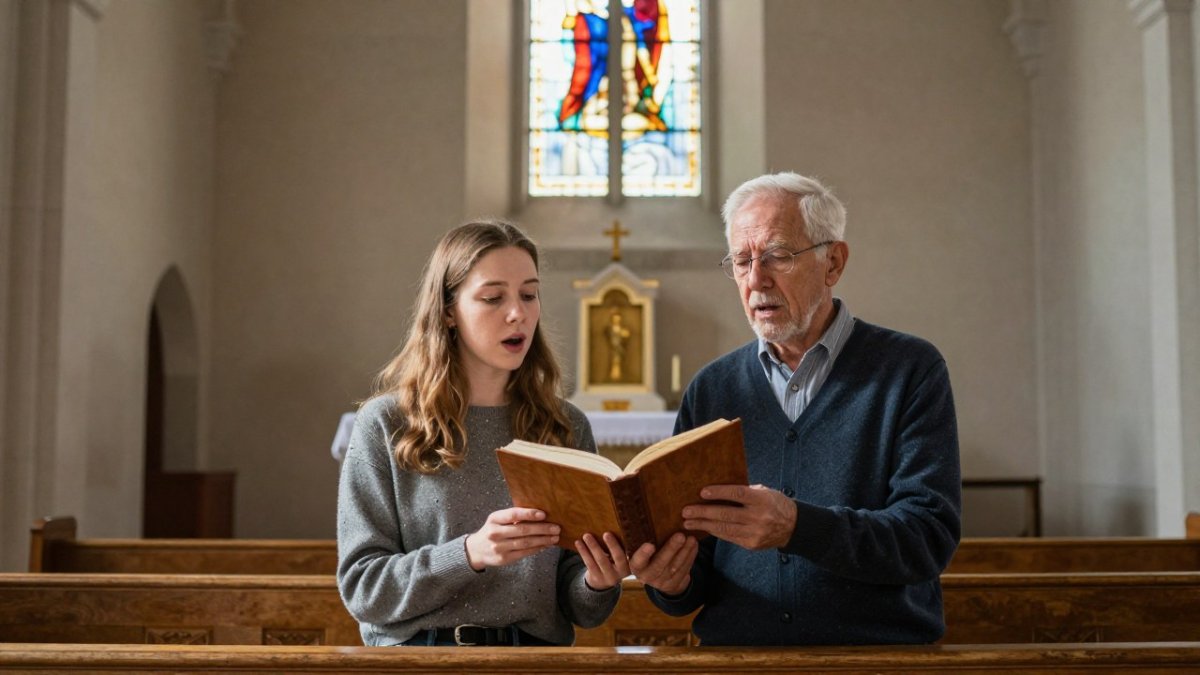
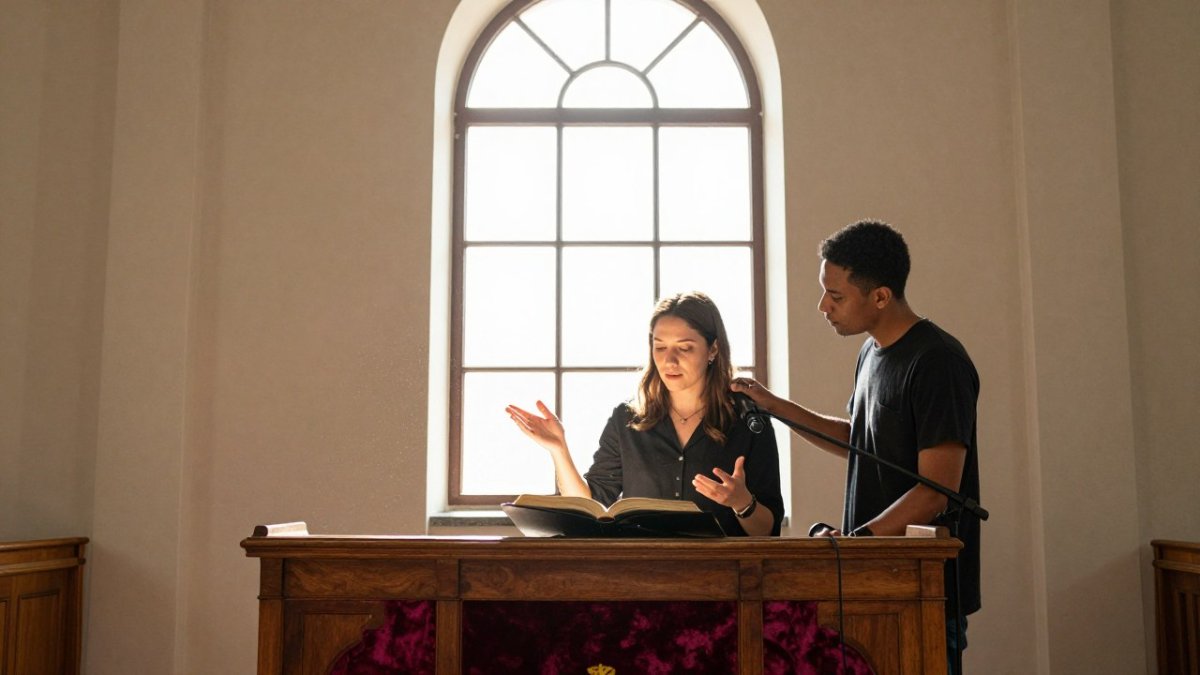
- Reading Scripture aloud
- Leading one verse of a hymn
The thing nobody tells you is that young people rarely need encouragement to participate. They need permission.
Rotate roles so no one becomes a token. Keep a simple schedule posted where everyone can see it.
Step 3: Try Interactive Worship Ideas for Youth
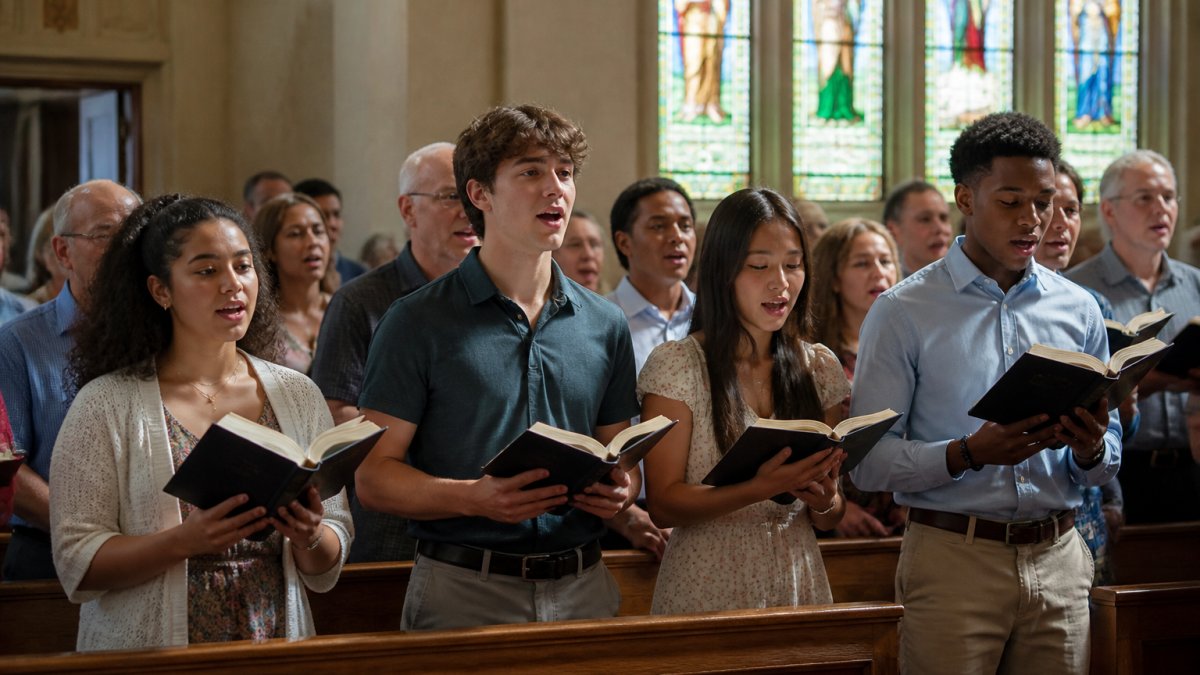
Interactive worship ideas for youth work best when they sit inside tradition rather than replace it. The inherited liturgy already contains movement, symbol, and response. Young people respond when those elements are made visible and hands-on.
Start with the Liturgy You Already Have
Before adding anything new, audit one service for built-in participation points. Most traditional liturgies already include at least six: the call to worship, a responsive psalm, the creed, the prayers of the people, the passing of the peace, and the sending.
A simple pattern that can work:
- Call to worship: one teenager reads the opening verse, another leads the response.
- Responsive psalm: print the refrain in large type and have a young leader cue the congregation.
- Creed: invite a youth to introduce it in one sentence before the congregation stands.
This is the lowest-risk entry point because it requires no new equipment, no budget line, and no change to the order of service. It also teaches the congregation that young people belong in the liturgy, not beside it.
Visual and Creative Arts That Serve the Text
Invite young artists to serve the liturgy, not decorate around it. The test is whether the art points to the Scripture or to the artist.
- Banners that follow the church year. A green banner for Ordinary Time, a white one for Easter, a red one for Pentecost. The color teaches theology before a word is spoken.
- Hand-lettered psalm verses on large paper during a season of prayer, hung where the congregation can read them while they pray.
- A drama piece on the Good Samaritan placed immediately after the reading of Luke 10, not in place of it.
A common mistake is scheduling art as a performance. Keep it quiet, placed, and pointed at the text. When the art draws attention to itself, the congregation stops praying and starts watching.
Technology and Digital Media as Participation Tools
Technology and digital media can serve worship when they point toward participation, not performance. The question to ask of every screen change is simple: does this help people join in?
- Livestream the service so homebound members and students away at school can sing along in real time.
- Display hymn texts large and clear so visitors and young readers can follow without fumbling with a book.
- Record a short teaching video on why we sing the creed, and play it once before the congregation stands.
Step 4: Develop Youth Choir Ideas for Church
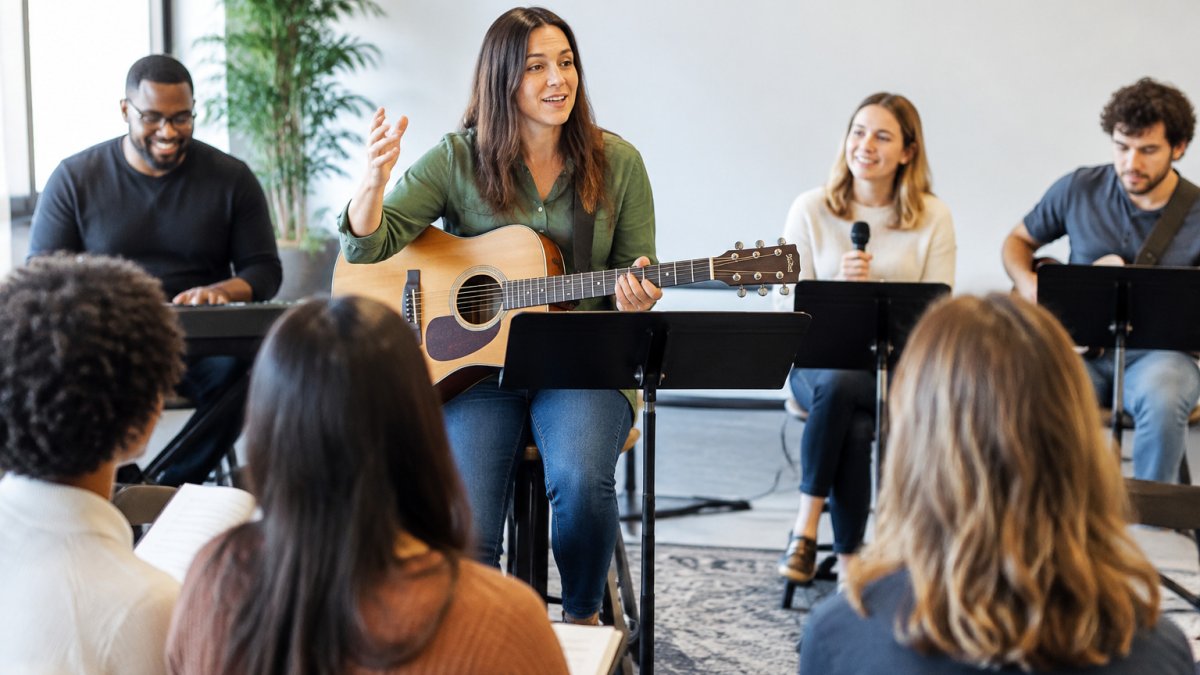
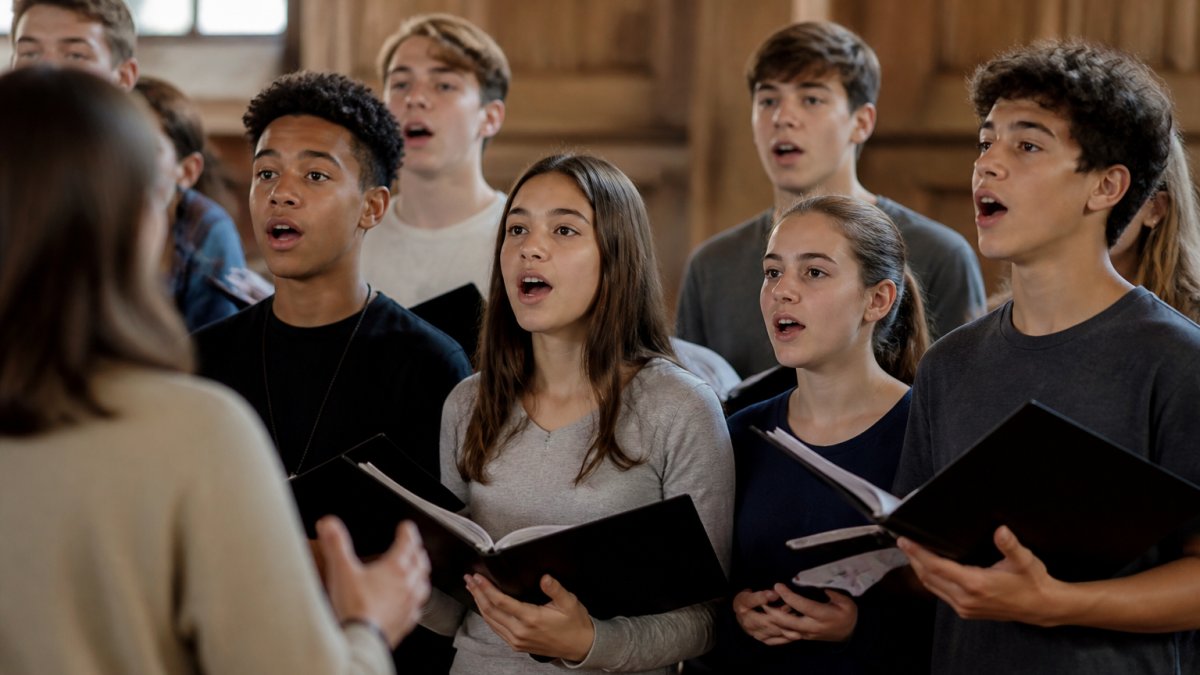
Youth choir ideas for church succeed when the choir is a community first and a performing group second. The "celebration choir" model works well: a group that gathers to lead the congregation in praise, not to impress it.
Practical starting points:
- Rehearse at a time that fits school schedules
- Learn one anthem per season, not five
- Sing music the congregation can join on the refrain
A common mistake is building a youth choir around one talented singer. When that singer graduates, the choir collapses. Build around relationships and shared responsibility instead.
Step 5: Implement Multilingual Worship Service Practical Tips
Multilingual worship service practical tips begin with one principle: every language in the room should be heard, not just translated. When a congregation sings in more than one language, young people often become the bridge, because they carry the language of home and the language of school in the same body.
Multilingual worship sounds simple until the first rehearsal, when the congregation does not know the pronunciation, the melody sits wrong for one language, or an older member quietly resists. Here is how to work through each.
Choose the Right Song First
Not every hymn travels well. Look for songs with a short, repeated refrain, a melody that sits comfortably in both languages, and a text that is theologically simple enough to teach in one rehearsal.
- Start with one song, not a set. A single bilingual refrain sung three times is more powerful than a full service in two languages.
- Keep the same melody so everyone can join, even if the words are unfamiliar.
- Print both texts side by side, large enough to read from the back row.
Address the Real Barriers
A common pattern is that the first attempt stalls for one of three reasons. Plan for each before the service.
- Pronunciation anxiety. Invite a young person to teach the congregation the phrase line by line, slowly, before the service begins. Laughter is part of the liturgy here.
- Melodic mismatch. Some tunes stress syllables differently in each language. If the fit is awkward, choose a different tune rather than forcing it.
- Quiet resistance. Some members will feel the service is no longer for them. Name the concern out loud in leadership, and frame the change as mission fulfillment, not style change. The church is the place for your music, and every church needs to make a place for every person's music.
Let Young People Lead the Work
Let young people who speak a second language at home lead this work. They carry a gift the whole congregation needs.
- Pair readers so Scripture is heard in each language, with a young person reading the language of home.
- Invite a teenager to teach the congregation a phrase before the song, not after.
- Ask a young person to write a short spoken introduction explaining what the song means in their family.
Measure Whether It Is Working
Multilingual worship is not working if only the young people sing. Watch for three signals: whether the congregation joins the refrain by the third verse, whether older members ask for the song again, and whether young people volunteer to lead the next one. If the answer to all three is yes, the bridge is holding.
Measure What Matters: Evaluating Youth Engagement
Evaluation is where most programs fail, because churches either measure nothing or measure the wrong thing. Attendance alone tells you who showed up. It does not tell you who belongs.
Track a small set of honest signals:
| What to measure | How to check it | What it tells you |
|---|---|---|
| Participation | Number of youth in active roles per month | Whether young people have real work |
| Retention | Youth still involved after 6 months | Whether belonging is forming |
| Confidence | Short check-in after each service | Whether young people feel equipped |
| Generational mixing | Youth and adults serving together | Whether community is real |
| Feedback | One question asked quarterly | What young people actually need |
Keep the list short. Review it with your youth every few months, and ask them what they would change. The answers are usually more useful than the numbers.
Conclusion: Let Go and Let God
The hardest part of this work is releasing control. You will not get perfect music. A teenager will miss a cue, and a hymn will wobble. Let it go, and let God use it.
Build the foundation, give real roles, and trust the community to carry the song. That is responsible stewardship, and it is enough.
If you want a companion for the journey, Let Her Sing! was written for exactly this: a church where every voice has a place, and where community is the heart of worship. Let Her Sing! on Amazon
Frequently Asked Questions
What are some interactive worship ideas for youth?
Interactive worship ideas for youth include visual arts like painting or banner-making during songs, digital media such as creating short testimony videos, and participatory readings or dramatic presentations. You can also invite youth to choose hymns, lead prayers, or play instruments. These approaches help young people engage with traditional worship by making it hands-on and expressive, while still honoring the liturgy.
How can we balance tradition with youth involvement in worship?
Balance tradition with youth involvement by keeping the core liturgy intact while adding youth-led elements. For example, youth can lead a familiar hymn, serve as readers, or incorporate a brief creative piece. The key is to let youth contribute within the existing structure rather than replacing it. This approach respects inherited practices and gives young people a meaningful role, fostering mutual respect across generations.
What roles can young people have in a traditional worship service?
Young people can serve as greeters, ushers, readers, musicians, choir members, tech assistants, and prayer leaders. They can also help plan services, design visuals, or lead children's moments. In traditional worship, roles like acolyte, crucifer, or assisting with communion are often available. Matching roles to their gifts and interests ensures genuine participation and builds ownership of the worship life of the church.
How can a church welcome youth with different musical abilities?
Welcome youth with different musical abilities by offering multiple entry points: a choir for singers, a handbell or percussion group for rhythm skills, and tech roles for those who prefer behind-the-scenes service. Provide simplified parts or allow youth to participate in spoken word or movement. Celebrate all contributions equally, and avoid audition-based barriers. This inclusive approach reflects the idea that every voice has a place in worship.
Engaging youth in traditional worship is not a program you launch and finish. It is a habit of welcome you practice together, season after season. Let Her Sing! exists to help your congregation build that habit, with a vision of worship where every voice is invited and every generation sings. Show Me how your church can begin.