 how-to
Building Community Through Music Ministry in 2026
Table of Contents
- Why Music Ministry Builds Community Like Nothing Else
- How to Help Choir Section Leaders
- Music Ministry Team Building Activities That Actually Work
- Managing Church Music Ministry Volunteers Without Burning Out
- Building Community Through Music Ministry: Measuring What Matters
- Conflict Resolution and Integrating Non-Musicians Into the Community
- Frequently Asked Questions
Last Updated: September 28, 2026
Why Music Ministry Builds Community Like Nothing Else
Music ministry is the practice of using shared song to draw a congregation into worship and into each other's lives. It turns a room of strangers into a choir.
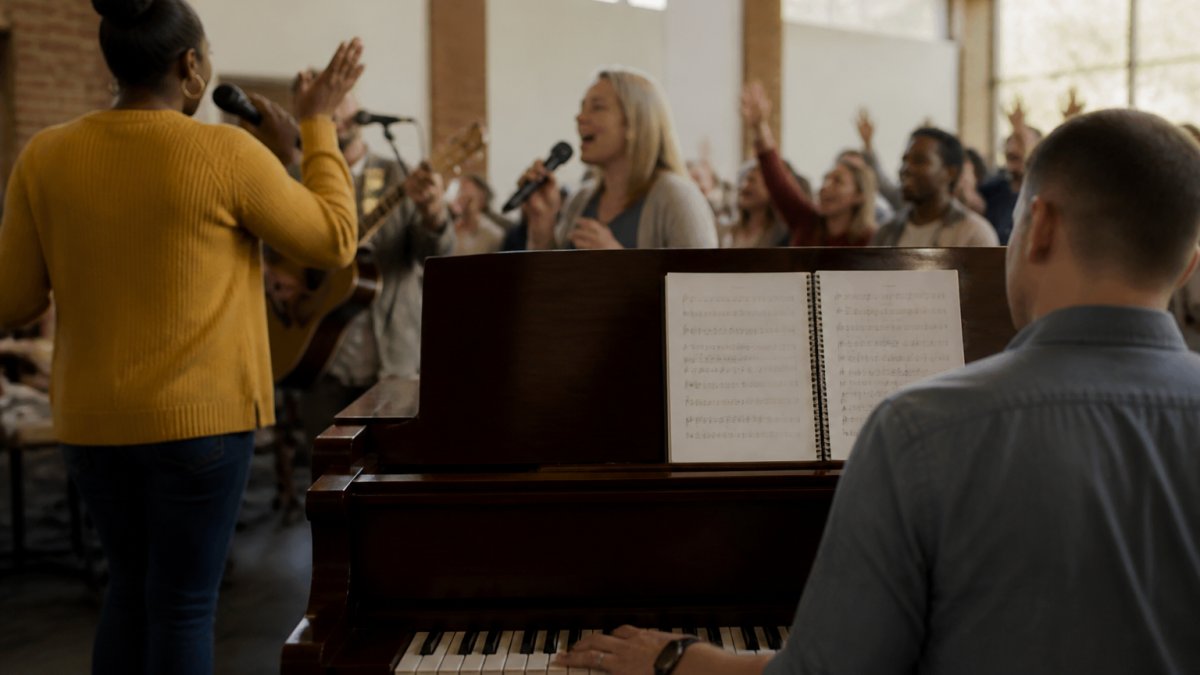
Think about what happens when a whole congregation sings. Voices blend. Breathing syncs. Nobody checks their phone. That shared act builds social cohesion faster than almost any other church activity.
The difference between performance and participation matters here. A performance puts one gifted voice on stage while everyone watches. Participation invites every voice into the room, including the shaky ones.
A common mistake is treating worship music as a show. When a music ministry team chases polish over presence, the congregation stops singing and starts spectating. The community thins out.
Pew Research Center's religious landscape study has tracked how shared worship practices shape belonging across faith communities. The pattern holds: people stay where they feel part of the sound.
How to Help Choir Section Leaders
Helping choir section leaders means giving them real responsibility, real training, and real trust. A section leader who only counts heads at rehearsal is a babysitter, not a leader.
Start by defining the role clearly. Section leaders are your front line of pastoral care for singers.
- Lead warm-ups for their voice part
- Check in on absent members during the week
- Model active listening during rehearsals
- Flag performance anxiety before it becomes dropout
- Help newer singers learn the repertoire
Training That Builds Confidence, Not Just Skill
Vocal training and musical literacy matter, but confidence comes first. A section leader who can read music but can't encourage a nervous alto will lose that alto by Christmas.
Run short monthly sessions. Cover breathing, blend, and how to give feedback without wounding. Pair each leader with a mentor for their first season.
Music Ministry Team Building Activities That Actually Work
Music ministry team building activities work best when they mirror what happens on Sunday. Singing together, eating together, and praying together beat trust falls every time. But the real test of team building is not whether people like each other, it is whether they can handle disagreement and fatigue without falling apart.
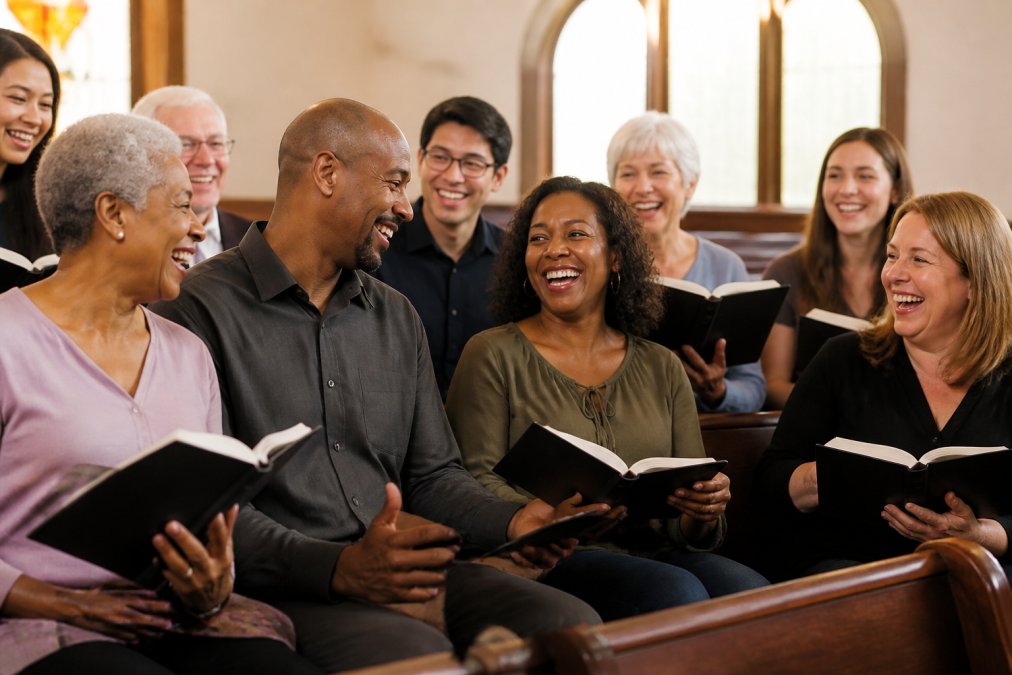
Start with low-stakes social gatherings. A monthly hymn sing with no rehearsal and no pressure. Section potlucks where altos host tenors. A "teach me your favorite song" night for intergenerational pairs. These build familiarity, but they do not build resilience.
To build resilience, you need to practice conflict resolution before conflict happens. Here is a simple framework that many ministry leaders use:
- Name the tension early. If two sopranos disagree about a descant, address it in private within 48 hours. Unaddressed tension spreads through a section like yeast.
- Separate the person from the problem. "I hear that you feel rushed by the tempo" is different from "You always rush." Teach section leaders to use "I" statements and to ask clarifying questions.
- Create a grievance path. Disagreements about repertoire, style, or volume go to the choir director privately, not to the group chat. The director should respond within a week with a clear decision and a rationale.
- Debrief after big services. A 10-minute conversation after Easter or Christmas can surface burnout before it becomes a resignation.
Group dynamics shift when people see each other as humans, not just voice parts. That shift shows up in blend and in attendance. But it also shows up in how quickly a team recovers from a bad rehearsal or a missed cue.
One more activity that pays off: a quarterly "state of the ministry" meeting where volunteers can ask hard questions. No agenda except honesty. Most leaders find that the first meeting is awkward, the second is productive, and the third is where real trust forms.
Managing Church Music Ministry Volunteers Without Burning Out
Managing church music ministry volunteers is the hardest part of the job, and burnout is the reason most teams shrink. Volunteers quit when they feel used, not when they feel tired.
Scheduling, Boundaries, and Saying No
Build a rotating schedule at least a month out. Give every volunteer one Sunday off per month, no guilt attached. The choir director should model this by taking their own breaks.
Set clear boundaries:
- No last-minute texts asking someone to fill in
- Two-service Sundays get two teams, not one exhausted one
- New volunteers shadow for four weeks before leading
Volunteer musicians who feel respected stay for years. Those who feel like spare parts leave quietly.
Building Community Through Music Ministry: Measuring What Matters
Measuring community health in a music ministry is not about attendance numbers alone. A full room can still be a lonely one. But you cannot improve what you do not measure, and most music ministries track the wrong things.
Here is a practical framework that blends quantitative and qualitative measures. Use it quarterly, not weekly, to avoid over-managing.
Quantitative indicators (track in a simple spreadsheet):
- Retention rate: What percentage of volunteers from last season returned this season? A healthy ministry often sees 70-80% retention. Below 50% signals burnout or conflict.
- Participation ratio: How many people in the congregation sing along during worship? You can estimate this by counting heads in the first three rows or by asking ushers to note it. A ratio below 30% suggests the congregation feels like an audience.
- New member integration: How many new faces joined the ensemble in the last six months, and how many are still active after three months? A drop-off above 40% points to poor onboarding.
- Name knowledge: Do members know each other's names? A quick anonymous survey can ask: "How many people in this ministry do you know well enough to have a personal conversation with?"
Qualitative indicators (use short interviews or focus groups):
- Ask three volunteers each quarter: "What made you feel valued this season?" and "What made you feel invisible?"
- Listen for language. When people say "we" instead of "they" or "the choir," community is forming.
- Watch for who stays after rehearsal. The five minutes after dismissal tell you more than the two hours of singing.
Harvard's Making Caring Common project has studied how belonging forms in groups. The lesson for churches is simple: people stay where they feel seen. But seeing is not the same as measuring. You need both.
A short survey twice a year works too. Ask one question: "Do you feel like you belong here?" The answers will tell you more than any headcount. Pair that with a question like "What is one thing we could do to make this ministry more welcoming?" and you have a feedback loop that actually changes behavior.
One caution: do not turn measurement into surveillance. The goal is to notice patterns, not to grade individuals. Share aggregate results with the team and celebrate improvements. When people see that their feedback leads to change, they trust the process more.
Conflict Resolution and Integrating Non-Musicians Into the Community
Two gaps sink more music ministries than bad singing: unresolved conflict and a community that only welcomes musicians.
Conflict resolution starts with a rule.
Ways to involve everyone:
- Tech support volunteers running sound and slides
- Greeters who welcome singers and visitors alike
- Members who pray over the team each week
- Outreach teams planning community engagement events
- Families who host post-service fellowship meals
Frequently Asked Questions
How can music ministry foster a sense of belonging in the church?
Belonging grows when participation matters more than perfection. Start by inviting every voice into the ensemble, not just trained singers. Simple steps help: teach songs by ear alongside sheet music, pair newer members with experienced ones, and rotate who leads prayer before rehearsal. When a congregation sees people who look and sound like them contributing, they recognize their own place in the music ministry team. Fellowship before and after rehearsal builds the relationships that make Sunday mornings feel like family.
What are effective ways to integrate community service into music ministry?
Take the choir out of the sanctuary. Sing at nursing homes, food pantries, or community shelters. Partner with local outreach programs for holiday services. One practical approach: designate one rehearsal per quarter as a service rehearsal where the ensemble prepares music specifically for an off-site visit. This shifts the group's focus from performance to pastoral care, strengthens social cohesion within the team, and introduces the congregation to neighbors they might never otherwise meet.
How do you encourage participation in music ministry for all skill levels?
Remove the audition barrier. Create tiered involvement: a core ensemble for experienced musicians, a worship choir open to anyone, and congregational singing as the foundation. Offer short vocal training sessions before rehearsal, teach repertoire in sections, and use recordings for home practice. When a church builds an inclusive environment, people who never thought they could sing discover they can. The goal is not musical excellence alone but musical excellence in service of community.
How can music ministry leaders manage team dynamics to improve unity?
Name the tension before it names you. Hold brief check-ins at the start of rehearsal where anyone can share a concern. Rotate leadership roles so no single person dominates. When conflict arises, address it privately first, then bring the group together for a solution. Pair volunteers from different generations for mentoring. These habits build trust over time, and trust is what turns a group of volunteers into a music ministry team that actually functions like a community.